
Radiation Therapy Side Effects and Ways to Deal with Them
In short
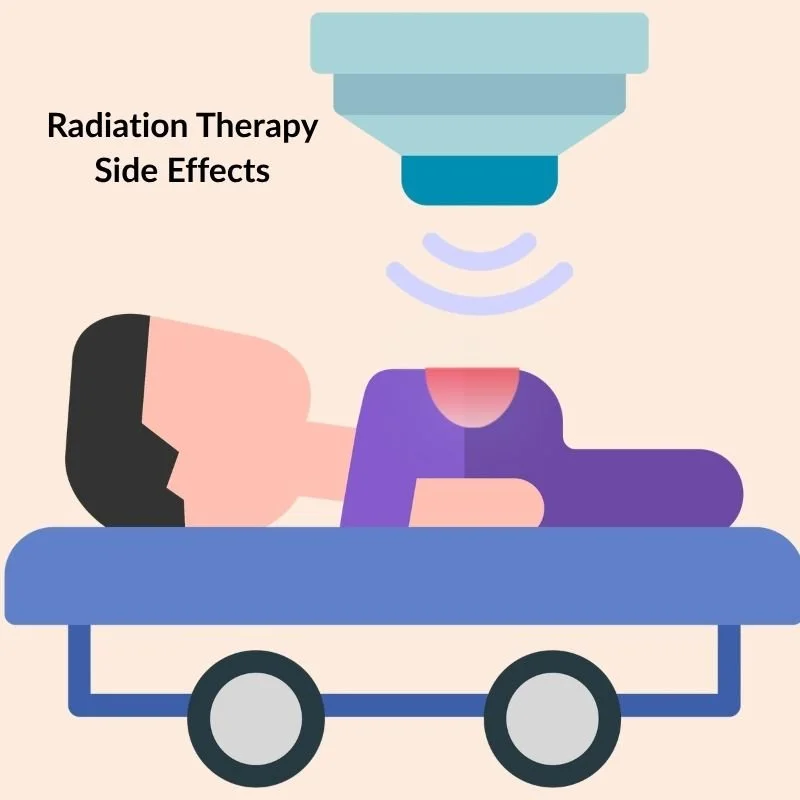
Radiation therapy side effects usually occur in the body area being treated, although fatigue can affect the whole body. Symptoms often build during a course and may peak shortly after it ends. Tell your treatment team early, because skin, eating, bowel, bladder, pain and energy problems are often easier to manage before they become severe.
On this page
This guide focuses mainly on external-beam radiation therapy, or EBRT, which directs radiation from a machine towards a specific treatment field. The Cancer Council's 2026 Understanding Radiation Therapy guide explains EBRT is a local treatment, so side effects usually affect only the area being treated.
The most useful preparation isn’t memorising every symptom. It’s learning what applies to your treatment area, what you can manage at home, and what your team wants reported straight away.
What determines which side effects you get?
Most effects occur in or close to the treated body area, but fatigue can affect the whole body.
Radiation therapy side effects will vary depending on the tissues inside the treatment field, not by one universal reaction to radiation. The dose, number and size of treatments, treated volume, other therapies and your general health also influence what you might feel and how strongly.
The National Cancer Institute's (NCI) 2025 radiation therapy side-effects guide maps different symptoms to the brain, head and neck, breast, chest, abdomen, pelvis and rectum. Even people receiving similar treatment to the same area can have different experiences.
Your likely effects depend on:
The exact treatment field. Radiation to the pelvis can affect the bowel or bladder, while head and neck treatment can affect saliva, taste and swallowing.
The total dose and dose per session. A five-session course may use larger doses per session, so five days of radiation is not automatically gentler than a longer course.
The amount of healthy tissue exposed. Modern planning aims to protect nearby organs, but some normal cells may still receive radiation.
Other treatment. Chemotherapy, immunotherapy, hormone therapy or surgery can add separate effects or make fatigue, skin problems, infection risk and poor appetite harder to interpret.
Your starting health. Nutrition status, diabetes, lung or heart disease, smoking, previous treatment and existing bowel or bladder problems can affect recovery.
Ask your radiation oncologist which tissues are inside your treatment field and which side effects are most likely for your particular plan.
When do radiation therapy side effects start and stop?
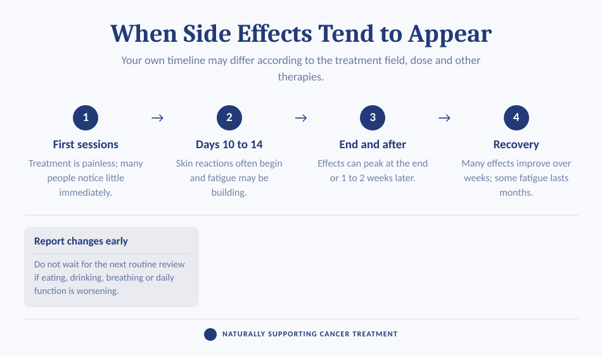
Side effects often accumulate and may briefly worsen after treatment finishes.
Many people feel little or no change after the first external-beam session because radiation effects usually accumulate. Symptoms may become most noticeable near the end of treatment or during the first one to two weeks after the last session, before healthy tissues recover.
A typical pattern looks like this:
First sessions: The radiation itself is painless. You may feel unchanged, although nausea can occur within hours when the treatment target is the brain, abdomen or pelvis.
After several days or weeks: Fatigue may build, and skin changes often begin about 10 to 14 days after the first treatment.
End of the course: Skin, mouth, swallowing, bowel or bladder effects may intensify as the cumulative dose increases.
One to two weeks afterwards: Some acute effects can briefly worsen even though treatment has finished.
Following weeks and months: Many symptoms gradually improve. Fatigue can take longer, and recovery is not identical for everyone.
Late effects are different. They may appear months or years later and can include fibrosis, lymphoedema, persistent dry mouth, thyroid changes, bowel or bladder problems, fertility changes, or heart and lung effects after some chest treatments. Most people will not develop every possible late effect, but you should ask your radiologist to assess any new symptoms rather than automatically blaming them on ageing or a past treatment.
Keep a simple symptom record from the first day. Note energy, pain, skin changes, food and fluid intake, bowel motions, urination, temperature when unwell and any medicine taken. A pattern is easier for the treatment team to act on than a general statement that you have felt worse lately.
Which side effects can happen anywhere in the body?
Fatigue is the most common side effect that can happen no matter which body area receives radiation, while skin and hair changes remain concentrated in the treatment field. These common effects still differ.
How can you manage radiation fatigue?
Radiation fatigue may feel physical, mental, or emotional, and sleep does not always remove it. Cancer Council's 2026 guide describes fatigue as the most common effect of radiation to any body area and notes that it often builds towards the end of treatment.
Plan demanding tasks for the time of day when you usually have more energy. Use short, regular rests rather than waiting until you are exhausted, and accept practical help with driving, shopping, meals and housework.
Movement can also help. Regular aerobic and resistance exercise during active cancer treatment can improve fatigue, strength, and physical function. That does not mean pushing through severe exhaustion. A short walk, gentle mobility work, or a few supervised strength exercises may be enough to begin.
Ask for individual exercise advice if you have bone metastases, severe anaemia, balance problems, heart or lung disease, recent surgery or a high risk of falls. Sudden fatigue accompanied by breathlessness, dizziness, chest discomfort or a racing heart needs medical assessment.
Eating regularly can support energy, but there is no single radiation diet. Small meals and snacks may be easier than large plates, particularly if nausea, dry mouth, swallowing pain or diarrhoea is present. If your weight is falling or food intake has changed significantly, let your practitioners know early. This article has some useful advice if you are losing significant weight.
These articles on this website may also be helpful: Quick Workouts, Yoga to Reduce Fatigue, Acupuncture, and Ashwagandha.
How should you look after treated skin?
Skin in the treatment area may become dry, itchy, darker, red, tender or flaky. More severe reactions can include blisters, moist peeling, cracks and infection.
Follow the instructions from your own radiation department because approved products and their timing can differ. Common advice includes washing gently with warm water and mild, unscented soap, patting rather than rubbing, wearing loose, soft clothing and using a water-based moisturiser approved by the team.
Do not place heat packs, ice packs, adhesive dressings, essential oils, herbal creams or unfamiliar cosmetics on the treatment field without approval. Report broken, wet, blistered or increasingly painful skin instead of trying to dry or disinfect it yourself.
Protect the area from sun exposure and avoid scrubbing off treatment markings. Once the acute reaction has healed and the team says normal skincare can resume, my guide to skin care after cancer treatment discusses longer-term dryness and sensitivity. Its suggestions should not replace radiation-field instructions during active treatment.
Hair loss can occur only where the beam passes through hair-bearing skin. Regrowth often begins within a few months, although higher doses can cause thinner, altered, or permanent hair loss in part of the field.
What side effects should you expect by treatment area?
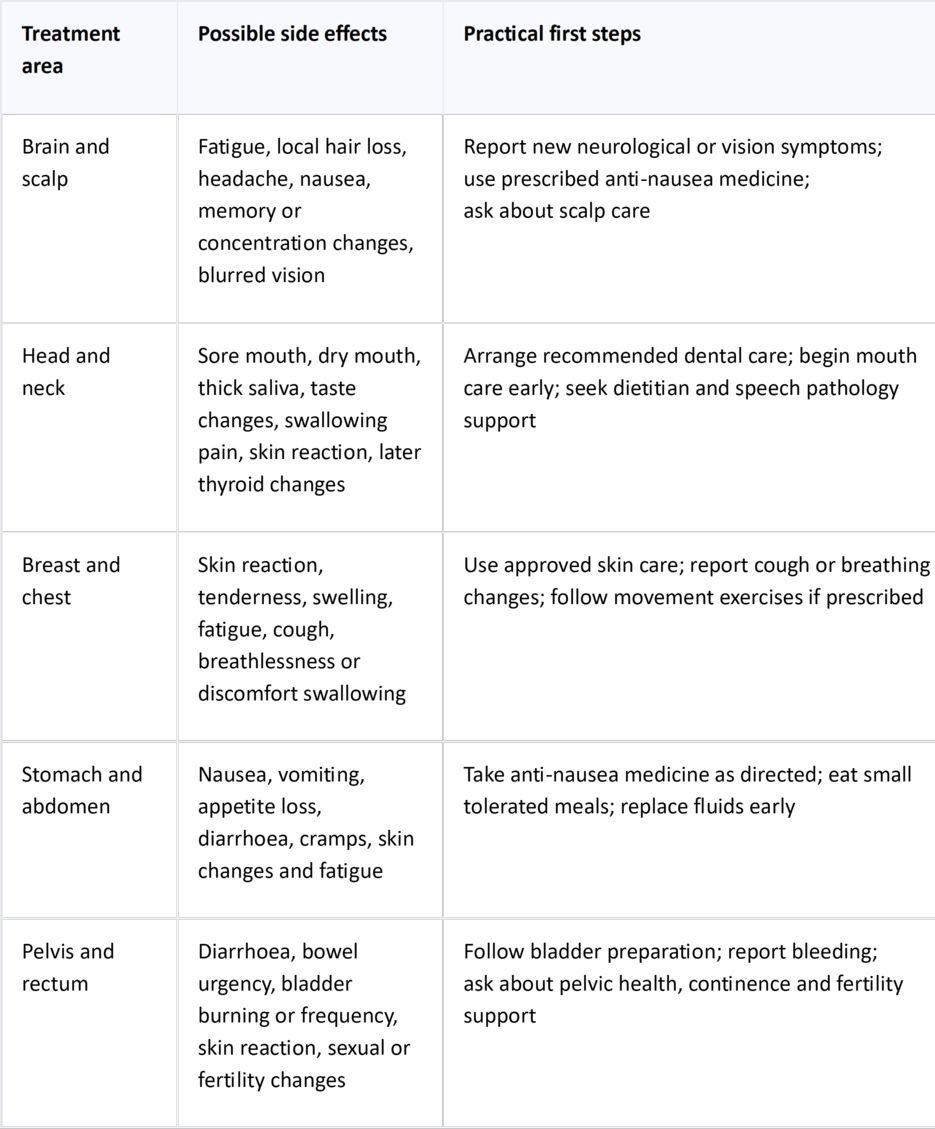
The treated body area gives you the clearest starting point for predicting radiation therapy side effects. The table below summarises common possibilities, but your radiation team should narrow the list using your scan, dose, treatment technique and other therapies.
What can brain or scalp radiation cause?
Brain radiation may cause headache, nausea, fatigue, localised hair loss, concentration changes or blurred vision. You may get prescription medicines to control nausea or swelling, so take them exactly as directed and do not stop corticosteroids suddenly unless the prescribing team tells you to.
A new seizure, fainting, confusion, marked drowsiness, one-sided weakness, severe headache or sudden vision change requires urgent assessment. Do not wait for the next routine appointment.
What can head and neck radiation cause?
Head and neck treatment can affect the mouth, teeth, jaw, salivary glands, taste buds and swallowing muscles. Dry mouth, thick saliva, ulcers, altered taste and painful swallowing can make it difficult to meet your nutrition and fluid needs.
Complete any recommended dental assessment before treatment. Once radiation has started, tell the team about soreness early so you can get pain relief, mouth rinses and infection treatment before eating becomes extremely difficult.
Choose foods according to the symptom. Soft, moist dishes may be easier to swallow, while cool or room-temperature foods may feel more comfortable. Spicy, salty, rough or acidic foods can sting an ulcerated mouth even when they would normally be nutritious.
An oncology dietitian can help protect weight and nutrition. A speech pathologist can assess swallowing safety and prescribe exercises or food textures. You should immediately report coughing, choking, a wet-sounding voice, or breathing changes while eating or drinking.
What can breast or chest radiation cause?
Breast radiation commonly affects the skin and may cause tenderness, swelling or fatigue. Chest treatment can also irritate the oesophagus or lungs, leading to painful swallowing, cough or shortness of breath.
Report new or worsening breathlessness rather than assuming it is ordinary fatigue. Breathing symptoms can have several causes, including treatment inflammation, infection, anaemia or a blood clot, and the correct treatment depends on the cause.
Chest radiation can contribute to late heart or lung effects in some people. Modern techniques have reduced exposure, but if new cardiac or respiratory problems arise, tell future health professionals that you received chest radiation.
What can abdominal radiation cause?
Radiation near the stomach or bowel can cause nausea, vomiting, appetite loss, cramps and diarrhoea. Preventive anti-nausea medicine often works better when taken on schedule rather than after vomiting has begun.
You should maintain enough energy and protein to protect weight and support recovery. On difficult days, that might mean small, frequent meals, smooth soups, yoghurt, eggs, fish, tofu, nut pastes, or a good quality protein shake, depending on your symptoms and tolerances.
If diarrhoea develops, a temporary reduction in insoluble fibre, rich foods, alcohol, caffeine and sugar alcohols such as sorbitol may help. This is short-term symptom management, not a permanent low-fibre diet. Continue drinking unless your medical team has placed you on a fluid restriction. You may need an electrolyte supplement to replace what you are losing.
What can pelvic or rectal radiation cause?
Pelvic radiation may irritate the bowel, bladder, rectum, sexual organs and nearby skin. Diarrhoea, urgency, abdominal discomfort, stinging urine, frequent urination, leakage and sexual changes are possible.
Follow the bladder and bowel preparation instructions exactly. A consistently full bladder may move part of the bowel away from the treatment field, while changes in bladder filling can alter your position internally.
Tell the team immediately about blood in bowel motions or urine. Cancer Council advises urgent contact if diarrhoea reaches over five or six bowel motions in 24 hours.
Fertility and sexual health deserve discussion before treatment, not only after a problem appears. Ask about fertility preservation, contraception, vaginal or erectile changes, pelvic-floor care and referral to an appropriate specialist. New swelling, tightness or aching in a limb or nearby body area may be an early sign of lymphoedema and is easier to manage when assessed promptly.
How can you reduce side effects without undermining treatment?
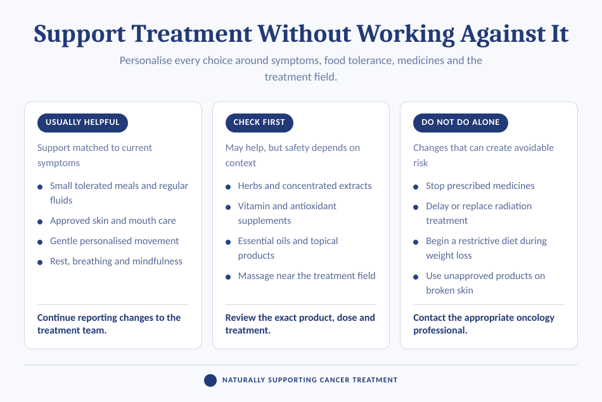
Supportive care is safest when the oncology team can see every product and therapy being used.
The safest approach combines early symptom treatment, personalised nutrition, suitable movement, rest, and carefully selected complementary care alongside oncology treatment. Natural support should improve comfort and quality of life without replacing prescribed medicines, delaying radiation or introducing an avoidable interaction.
What should you eat during radiation therapy?
Eat for the symptoms and nutritional needs you have, not for an idealised cancer diet. During active treatment, maintaining hydration, weight, and muscle may be more urgent than following a restrictive eating plan.
For nausea, try small, bland meals, cool foods and regular sips of fluid. This article covers natural ways to reduce nausea, and you can use them alongside anti-nausea medication for a stronger effect.
For a sore mouth or throat, soften and moisten food. For diarrhoea, use lower-fibre choices temporarily and replace lost fluids and electrolytes as advised. If smells reduce your appetite, ask someone else to cook or use simple cold foods that are less likely to affect you.
An accredited practising dietitian is valuable when there is unplanned weight loss, swallowing difficulty, tube feeding, severe bowel symptoms or a need for medical nutrition therapy. A suitably qualified naturopath or nutrition professional can help personalise food choices and routines, but should coordinate with the oncology team and refer clinical nutrition problems appropriately.
How much should you move?
Use small, repeatable amounts of movement rather than an all-or-nothing routine. A five-minute walk, light stretching or a few supervised strength exercises can be a reasonable starting point when approved for your health and treatment.
Stop and seek advice for chest pain, severe breathlessness, dizziness, new weakness or unusual pain. Adapt exercise around blood counts, bone health, balance, surgery and treatment-related skin or bowel problems.
Which mind-body approaches have evidence?
Relaxation, breathing practice, mindfulness and gentle yoga can support anxiety, mood and quality of life. The 2023 Society for Integrative Oncology and ASCO guideline recommends several mind-body approaches for anxiety or depressive symptoms during active cancer treatment, while acknowledging limits in the evidence for some methods and populations.
Choose an approach that feels manageable. Two minutes of slow breathing before a mask fitting may be more useful than setting an ambitious meditation target during an exhausting week.
You may also find Tapping, also known as Emotional Freedom Technique (EFT) useful.
Which supplements and natural products need checking?
I suggest treating every supplement as an active intervention, not as a type of food. Give the radiation team, oncology pharmacist and complementary-care practitioner a complete list of vitamins, herbs, powders, medicinal mushrooms, teas, oils and creams, and any medications, including doses and brand names.
Which symptoms mean you should call the treatment team now?
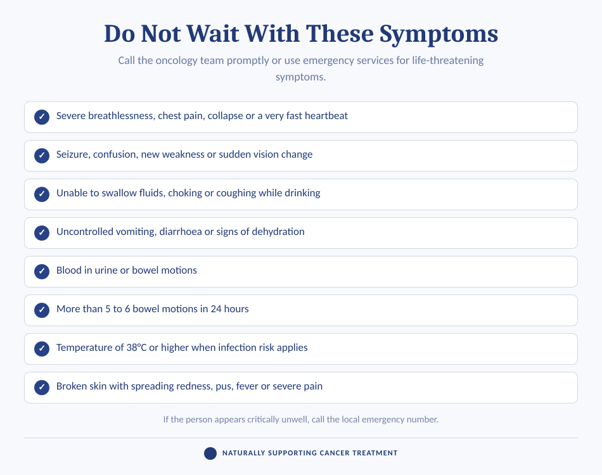
Use the thresholds supplied by your own oncology team whenever they differ from general guidance.
Call early when a symptom is worsening, preventing food or fluid intake, disturbing breathing or neurological function, or showing signs of infection or bleeding. If a symptom feels life-threatening, call your local emergency number rather than waiting for the radiation department to return a message.
Seek urgent medical advice for:
Severe or rapidly worsening shortness of breath, chest pain, collapse or a rapid heartbeat.
A seizure, sudden confusion, one-sided weakness, fainting, severe headache or sudden vision changes.
Choking, coughing with fluids or being unable to swallow enough liquid.
Uncontrolled vomiting or diarrhoea, very little urine, marked dizziness or other signs of dehydration.
Blood in urine or bowel motions, or over five or six bowel motions within 24 hours.
Rapidly spreading redness, pus, fever or severe pain around broken treatment-field skin.
Severe pain that is new, escalating or not controlled by the prescribed plan.
The fever instructions you receive may depend on whether radiation is being combined with chemotherapy or another treatment that lowers white blood cells. Contact your team or go to the emergency department immediately if you have a temperature of 38°C or higher, chills, sweats, breathing difficulty or feeling seriously unwell during cancer treatment.
Contact the team on the same day for a new cough, increasing breathlessness, urinary burning, persistent nausea, mouth pain that limits eating, unexpected weight loss, new swelling, skin blistering or any side effect that is stopping normal activities. Reporting a symptom is not complaining. It gives the team a chance to protect your nutrition, comfort and treatment schedule.
What can carers do that genuinely helps?
Carers can reduce the practical and mental load by observing changes, recording useful details and helping the person contact the right professional. The aim is not to police food or activity, but to make the agreed care plan easier to follow.
Useful actions include:
Keeping the treatment centre's daytime and after-hours numbers easy to find.
Attending appointments with permission and making notes of the answers.
Maintaining an up-to-date list of medicines, supplements, allergies and doses.
Recording vomiting, bowel motions, temperature, fluid intake or weight when the team requests it.
Offering several small food options instead of insisting on a full meal.
Helping with transport, prescriptions, shopping and household chores as fatigue builds.
Noticing confusion, breathlessness, dehydration, uncontrolled pain or rapid deterioration.
Ask the person what kind of help they want. Preserving choice matters, especially when treatment schedules and symptoms already make much of life feel outside their control.
What do people ask before radiation therapy?
Before treatment, most questions are really about what the first session feels like, when side effects appear, and when normal contact with others is safe. The answers below refer mainly to external-beam radiation because internal radiation can require different precautions.
What to expect on the first day of radiation treatment?
On the first day of external-beam radiation, the team checks your identity, position and imaging before delivering treatment. The beam itself is painless and usually lasts only a few minutes, although the full appointment often takes 10 to 40 minutes. Tell the radiation therapists immediately if the position, mask or bladder preparation is uncomfortable.
How long does radiation stay in your body after treatment?
External-beam radiation does not stay in your body; once the machine switches off, the radiation is gone, so you are not radioactive and can safely be around other people. Internal radiation treatments are different. Brachytherapy or radionuclide therapy may require temporary precautions, which the treatment team will explain.
What are the worst side effects of radiation?
There is no single worst side effect of radiation because risk depends on the treatment area, dose, schedule, health and other therapies. The most concerning effects are those that threaten breathing, hydration, nutrition, neurological function or infection control, such as severe breathlessness, uncontrolled vomiting, inability to swallow fluids, new weakness or fever during combined treatment.
What I wish I knew before radiation?
Many people wish they had known that side effects may appear later, can build gradually and may peak after the last session rather than during the first week. Ask for the after-hours number, report symptoms early, check every supplement and skin product, and arrange practical help with meals, transport and household tasks before fatigue develops.
What should you do before your first session?
Before the first session, ask the team to write down the side effects most likely for your exact treatment field and the number to call after hours. Also show them every medicine, vitamin, herb, powder, tea, cream and oil you use, because safety depends on the product and treatment.
Leave the appointment knowing:
The symptoms to expect.
Which products the team approves for your skin or mouth.
When to take preventative medicines.
What temperature or symptom threshold requires a call.
Who can help with nutrition, swallowing, exercise, continence, fertility or emotional support.
Conclusion
Diet and lifestyle changes, as well as supplements and herbs, help support you throughout the cancer journey. You can learn what’s important in my book, Naturally Supporting Cancer Treatment: Evidence-based ways to help prevent cancer formation and recurrence, and assist treatment. It covers how to use them safely, tailored to each type of cancer. Learn more here.
If you found this article useful, sign up for the monthly newsletter on Cancer Treatment Support. You will receive a free booklet, Soothing Side Effects: A Natural Support Guide for Cancer Patients as a thank you gift.
If you would also like information on cancer prevention, you can sign up for my other newsletter with articles about that. As a thank you for signing up for that newsletter, you will receive a short recipe book, 30 Delicious Recipes for Cancer Patients.