Your Questions Answered
What is the difference between Complementary Medicine and Alternative Medicine?
Complementary Medicine is a non-mainstream health practice, product, or therapy that’s used together with conventional Western medicine. It supports or complements standard treatments.
Alternative Medicine is a non-mainstream health practice, product, or therapy that’s used in place of conventional Western medicine. It is a substitute for standard medical care.
People often use the acronym CAM (Complementary and Alternative Medicine), which can be confusing. These days, modern medical institutions prefer to use the term Integrative Medicine, which combines evidence-based Complementary Medicine with conventional Western medicine.
Is your book, Naturally Supporting Cancer Treatment, based on Complementary Medicine or Alternative Medicine?
I prefer to use the term Integrative Medicine, as I only use evidence-based Complementary Medicine and I recommend readers use conventional medicine too. As I say in the book, the research shows that people who use Alternative Medicine usually don’t live as long as those who use conventional medicine. And those who choose to use Complementary Medicine alongside conventional medicine usually get better results and suffer fewer side effects from their treatment.
What does Naturally Supporting Cancer Treatment cover?
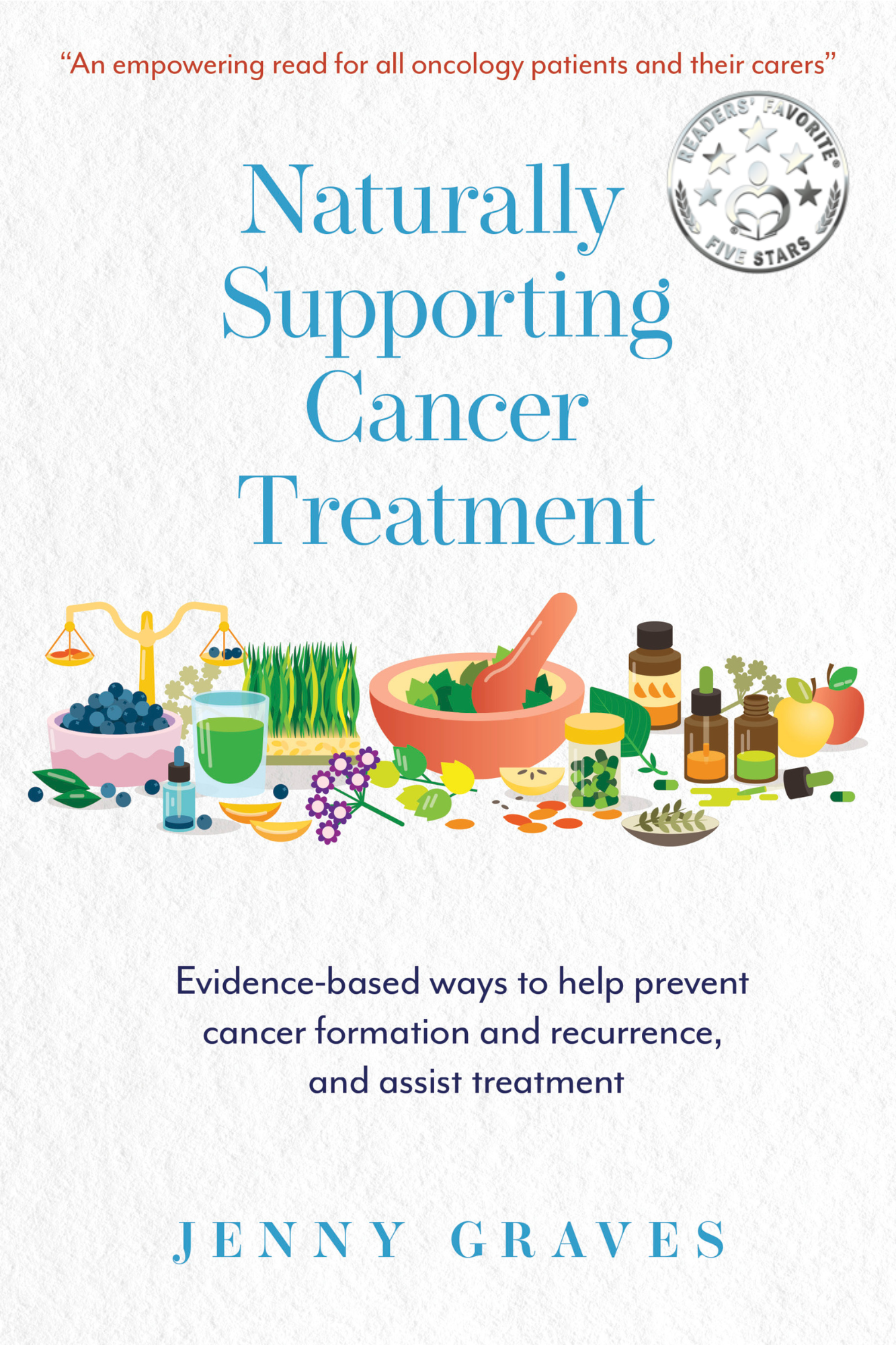
There are chapters in the book on what cancer is and how it starts, diet, stress, exercise, sleep, toxins and how to avoid them, nutritional supplements and herbs.
Is the book suitable for my cancer?
The book covers research on a wide variety of cancers, although there is little published research on some of the more unusual ones.
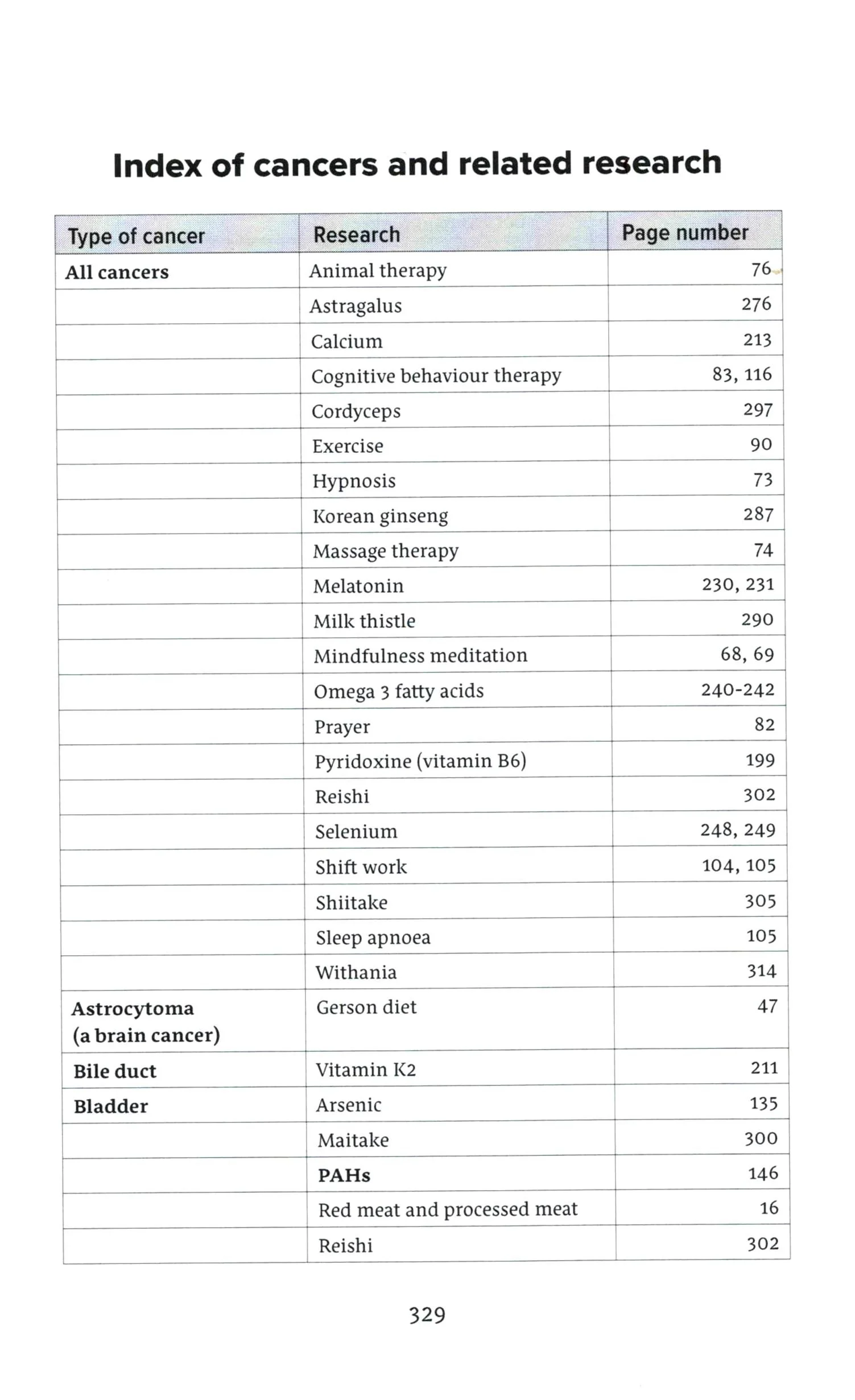
To find the research that relates to your particular cancer, there is an index at the back of the book that links to the page that talks about it. The index also links to research on how to reduce the side effects of chemo and radiation therapy.
How can I be sure that the advice given is correct?
I don’t expect you to take anything I say on trust. I have quoted references for everything, using either scientific peer-reviewed journal articles or trusted websites. (There are 685 references in the book). You can show those studies or websites to your oncologist if you want to discuss using any of the advice in the book.
Is the advice in the book safe?
The book references any studies on safe use of the herbs and supplements it covers. Where I have found that they interact with other drugs, that is spelled out. However, it is important that you always check with your pharmacist before you either start a new herb or supplement, or if you’re prescribed anything new while taking herbs or supplements. New drugs come onto the market all the time.
I recommend you consult a natural health practitioner. In some countries, herbs available to the public are adulterated or don’t contain the levels of active constituents they state. A practitioner can personalise your treatment, check interactions, and provide you with better quality herbs and supplements than you can find in a pharmacy, supermarket or online. Occasionally, people have unusual reactions to products because of their genetic makeup or microbiome. If that happens, check with your practitioner, and they can advise you or find an alternative product.
Some supplements and herbs are not suitable for people with certain conditions. Where I have found that to be the case, I have listed those too, with the reference.
The book gives you the dosage too, so that you can ensure you take the correct dose.
Should I tell my doctor that I am using or planning to use Complementary Medicine?
I recommend you discuss your use of Complementary Medicine with your treating team. If you are using a natural health practitioner, they will usually work with your oncologist and try to work in cooperation with them. That helps both parties by making sure that they both know what treatments are being used and the results of any tests.