5 Ways that Saffron Can Help Cancer Patients
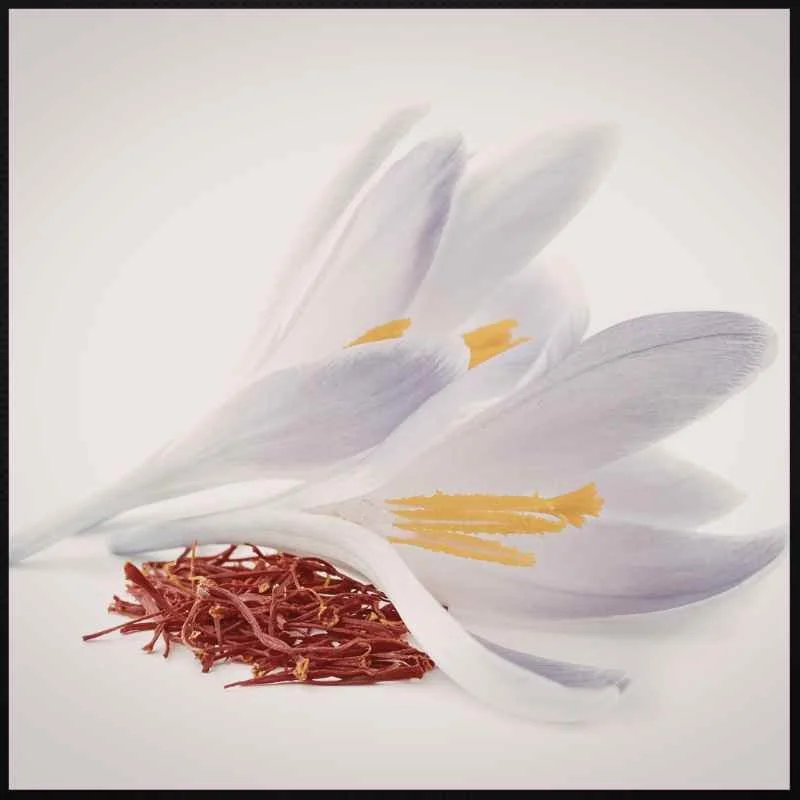
Saffron, also known as the sunshine spice, comes from the dried stamens of the beautiful early spring flower, the crocus. In fact, its botanical name is Crocus sativus. Growers harvest it by hand, and it takes over 150 flowers to produce 1 gram of saffron, which explains why it is so expensive to buy. Luckily, you only need a pinch in cooking. If you eat Spanish food, you’ll know that paella owes its yellow colour to saffron. And if you’re fond of Asian cuisine, they also use saffron.
Besides bringing flavour and colour to food, it has multiple health benefits:
It can help in the fight against cancer in several ways.
Its antioxidant powers can help reduce inflammation.
Helps lift mood.
Has aphrodisiac powers.
Can help with weight loss.
Reduces the risk of heart disease.
Can lower blood sugar and improve insulin sensitivity.
May help reduce PMS symptoms.
Improves eyesight in those with age-related macular degeneration.
May improve memory in Alzheimer’s patients.
Let’s look at how it can help those with cancer.
Saffron’s anticancer effects
There is evidence in laboratory studies and in testing on animals that saffron may have the power to kill cancer cells by inhibiting their growth, preventing angiogenesis (the development of blood vessels to support the tumour), and reducing their ability to metastasise.
Research shows it’s effective against a wide variety of cancers, including:
Breast
Lung
Liver
Colon
Ovaries
Stomach
Prostate
Leukaemia (1).
One research team carried out a small clinical trial on patients with liver metastases. The primary cancers were in various locations. The study received 50 mg of dried saffron daily alongside regular chemo. In the saffron group, 14.3% had a complete response (1).
In another trial on glioblastoma patients, they received a saffron extract just before their radiation therapy. They then received chemo for several cycles without the saffron extract. They concluded that the treatment was beneficial (1).
Saffron can reduce treatment side effects
The side effects of treatment are often enough to cause doctors to pause or stop treatment. So, anything that can help reduce side effects is worthwhile.
Damage to the heart from doxorubicin is relatively common and often limits use of the drug. There is laboratory evidence that saffron is effective in reducing it (2).
Other chemo drugs such as cisplatin, cyclophosphamide, mitomycin-C, and tamoxifen also cause toxic side effects, and research has shown that saffron eases them (1).
The most exciting research involves neuropathy, which is a huge issue for many chemo patients. After 8 weeks of taking 15 mg of crocin, one constituent of saffron, twice a day, it effectively reduced the pain of neuropathy (3).
Saffron may help cancer drugs work better
A major problem with chemotherapy is that the tumour often develops resistance to the drugs used, and they stop working.
Preliminary research in laboratory testing shows that using crocin alongside the drugs may help to avoid chemoresistance (4).
Saffron can help prevent cancer from starting
In an animal study, saffron helped prevent liver cancers from starting when researchers exposed the rats to a carcinogenic compound. The study suggested that saffron protected the rats’ livers by suppressing inflammation and reducing the effects of free radicals (5).
Saffron improves mood during chemo
Traditional herbal medicine has long recognised saffron for reducing anxiety and depression. It also helps to improve sleep. These are problems that many people experience during chemo.
In a study of breast cancer patients, 30 mg per day of crocin significantly reduced anxiety and depression, whereas in the placebo group they increased. The placebo group also had more hypersensitivity and neurological problems. The crocin group also had better survival rates during chemo. However, the crocin group had a higher risk of having low white blood cells, which could make them more susceptible to infection (6).
Is saffron safe?
Several cultures use saffron in small quantities in their cooking, and herbalists have been using saffron safely for many years to reduce stress and anxiety, anaemia, asthma, coughs, and many other conditions.
In a review of toxicity of saffron, researchers found it was selective in killing cancer cells but had no adverse effects on normal cells. They also discovered that its constituents acted synergistically to kill cancer cells, so saffron extract may be more effective than a single constituent like crocin (7).
In cancer studies, 50 mg per day has been the highest dose reported. Researchers report daily doses of up to 1.5 g as safe. As with most drugs and herbs, high doses can be toxic, and anything above 5 g of saffron per day can cause severe adverse effects, with 20 grams a day considered lethal (8).
In a review of many studies, people have reported occasional minor side effects with saffron, ranging from gastrointestinal upset to vivid dreams, which disappear when they stop using saffron. The only reported interaction was with anticoagulants, where saffron caused bleeding in one patient. If you’re taking anticoagulants with saffron, ensure your doctor monitors your clotting time (9).
Conclusion
Saffron will certainly help lift your mood if you are experiencing anxiety or stress, and sleep improvements will follow. There have been limited human trials on it so far for anti-cancer effects, but animal and lab trials are promising.
Despite the cost of saffron threads for cooking, saffron capsules are not as expensive as you would expect.
If you want to avoid the side effects of chemo, reduce neuropathy pain, potentially improve the effects of chemo, possibly stop cancer from returning, and need something to ease stress and anxiety, saffron is worth trying.
If you’re interested in supporting cancer treatment, click here to receive monthly articles to help you safely navigate cancer treatment and its side effects using natural therapies alongside your medical treatment. You’ll receive Soothing Side Effects: A natural support guide for cancer patients as a thank you GIFT.
If you’d also like to receive a monthly article on cancer prevention in your Inbox, you can subscribe to my newsletter on that subject by clicking here. As a thank you, I’ll send you a FREE collection of 30 delicious recipes for cancer patients.
Would you prefer comprehensive advice to help you survive the cancer journey and get back to health, from preventing it from ever starting or recurring to support through treatment? Then you need a copy of my book, Naturally Supporting Cancer Treatment. It’s crammed with research-based ways to help you, in 385 pages of practical advice. To find out more, click the button below.
References
Lambrianidou A, Koutsougianni F, Papapostolou I, Dimas K. Recent advances on the anticancer properties of saffron (crocus sativus L.) and its major constituents. Molecules. 2020;26(1):86. doi:10.3390/molecules26010086
Chahine N, Chahine R. Protecting Mechanisms of Saffron Extract Against Doxorubicin Toxicity in Ischemic Heart. In: Saffron: The Age-Old Panacea in a New Light. Academic Press; 2020:151-154.
Bozorgi H, Ghahremanfard F, Motaghi E, Zamaemifard M, Zamani M, Izadi A. Effectiveness of crocin of saffron (crocus sativus L.) against chemotherapy-induced peripheral neuropathy: A randomized, double-blind, placebo-controlled clinical trial. Journal of Ethnopharmacology. 2021;281:114511. doi:10.1016/j.jep.2021.114511
Bao X, Hu J, Zhao Y, Jia R, Zhang H, Xia L. Advances on the anti-tumor mechanisms of the carotenoid crocin. PeerJ. 2023;11:e15535. doi:10.7717/peerj.15535
Amin A, Hamza AA, Bajbouj K, Ashraf SS, Daoud S. Saffron: A potential candidate for a novel anticancer drug against hepatocellular carcinoma. Hepatology. 2011;54(3):857-867. doi:10.1002/hep.24433
Salek R, Dehghani M, Mohajeri SA, Talaei A, Fanipakdel A, Javadinia SA. Amelioration of anxiety, depression, and chemotherapy related toxicity after crocin administration during chemotherapy of breast cancer: A double blind, randomized clinical trial. Phytotherapy Research. 2021;35(9):5143-5153. doi:10.1002/ptr.7180
Thomsen M. Clinical Monographs. In: Phytotherapy Desk Reference. Aeon Books Ltd; 2022:47-48.
Shakeri M, Hashemi Tayer A, Shakeri H, Sotoodeh Jahromi A, Moradzadeh M, Hojjat-Farsangi M. Toxicity of saffron extracts on cancer and normal cells: A review article. Asian Pacific Journal of Cancer Prevention. 2020;21(7):1867-1875. doi:10.31557/apjcp.2020.21.7.1867
Hasheminasab FS, Hajimonfarednejad M, Najibi SM, Hashempur MH. Adverse events of saffron crocus sativus: Systematic review of current evidence. Health Science Reports. 2026;9(5):e72212. doi:10.1002/hsr2.72212