
The role of magnesium in fighting cancer and infections
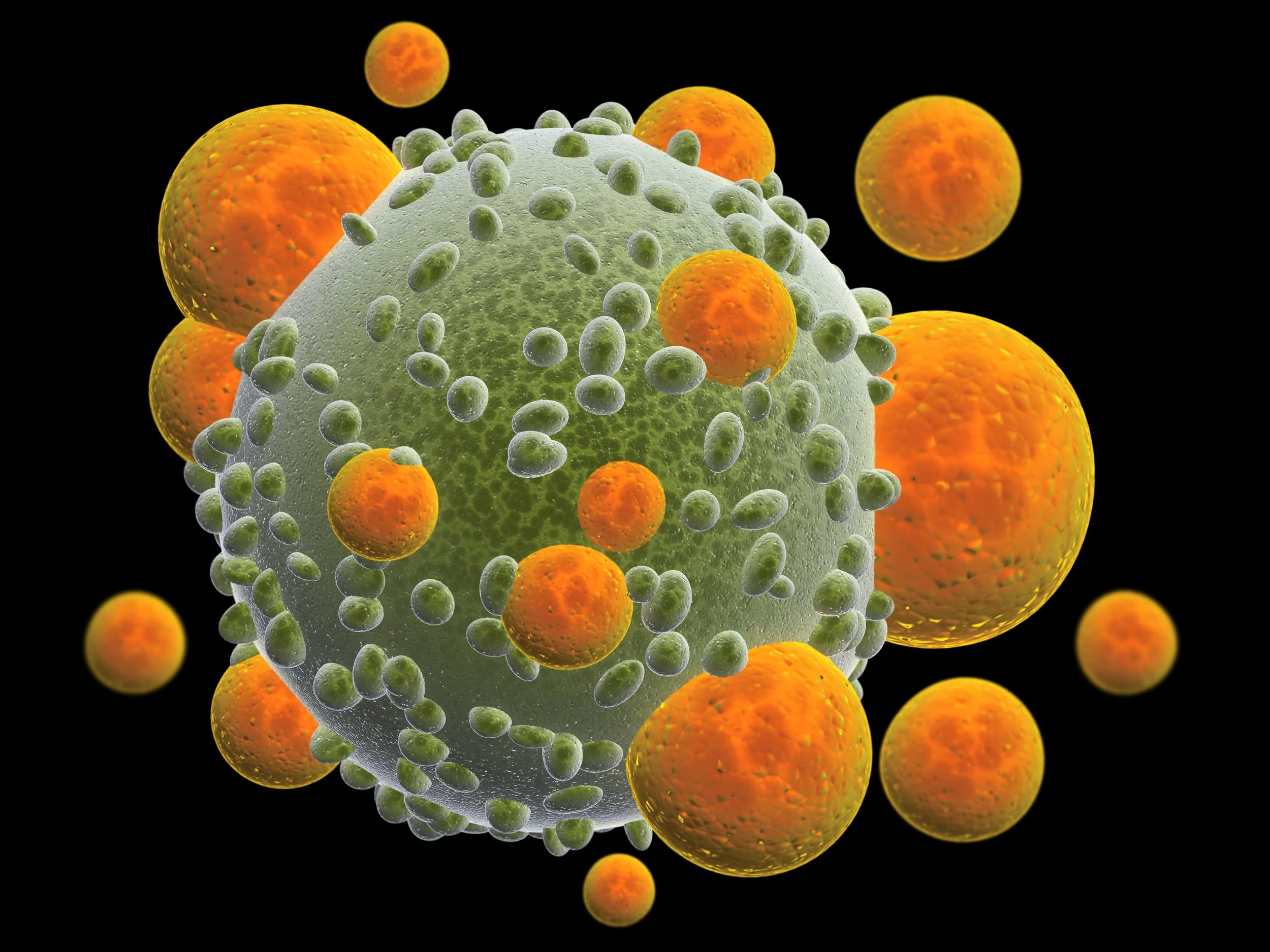
Killer T cells attacking a cancer cell
Why do we need magnesium?
Magnesium is a mineral that’s needed by the body to help over 300 enzyme reactions, from helping your muscles contract to building DNA. Recent evidence shows that nearly two-thirds of the population of the Western world is deficient in this important mineral (1). This is important for cancer patients because new research shows that magnesium can help to kill cancer cells (2).
How does magnesium help prevent cancer?
Cancer cells are extremely clever at hiding from the body’s defences. A type of immune cell that can attack cancer cells is the killer T cell, a kind of white blood cell. On the outside of the killer T cell is a protein called LFA-1. When magnesium attaches itself to LFA-1, it helps the killer T cell to find the hidden cancer cells and eliminate them (2).
The research found that killer T cells in rats could only killer cancer cells or infected cells if the LFA-1 proteins had bound with magnesium. The researchers examined past studies of cancer immunotherapies. They discovered a strong link between low magnesium levels and faster disease progression. They also discovered that viruses, including influenza, spread faster in mice that were fed a magnesium deficient diet, meaning that the killer T cells can also eliminate viruses (2).
Why are many people deficient in magnesium?
It isn’t difficult to incorporate enough magnesium into your diet. So why are so many of us deficient in it?
Processed foods contain low levels of it, and staples like meat, sugar and white flour contribute only small amounts. Cooking vegetables reduces their magnesium content significantly. Low vitamin D levels reduce the body’s ability to absorb magnesium. A wide range of medications also reduce magnesium levels. These include:
H2 blockers
Proton pump inhibitors. The FDA warns that supplementing magnesium won’t help; you have to stop the drug.
Antacids
Antibiotics, including most of the commonly prescribed ones
Antihistamines
Antivirals
Anti-epileptic medications
Blood pressure drugs
Diuretics
Digoxin
Cardiac drugs
Methylphenidate
Cholesterol agents, cholestyramine and colestipol
Corticosteroids, including inhaled ones
Oestrogens, including oestradiol (found in the contraceptive pill) and HRT
Cyclosporine and tacrolimus
Anastrozole, an aromatase inhibitor used for breast cancer patients
Raloxifene, used for osteoporosis treatment
SERMs (selective estrogen receptor modulators), including tamoxifen, raloxifene and toremifene
Sulphonamides, including some antibiotics and some diabetic medications
Nutraceuticals, including high dose calcium, high dose vitamin D, and caffeine.
Other things that can reduce your magnesium levels are:
Some pesticides
Drinking alcohol when you have type I or type II diabetes
Smoking
Poor farming techniques that reduce the soil levels of magnesium, so food grown on it is lower in magnesium
Ageing, which reduces the body’s levels by up to 30%.
(1)
Often, there are no outward signs of magnesium deficiency. If you get them, they usually include muscle weakness and tremors, cramps, heart arrhythmias and ECG changes, depression and agitation.
You need around 400 mg of magnesium a day to maintain your levels. Some foods containing high levels of magnesium are:
Leafy greens, like spinach and kale
Seeds, including chia, pumpkin and flaxseed
Nuts, especially cashews and almonds
Legumes, like black beans, chickpeas, lentils, peas and soybeans
Tofu
Avocado
Fish, especially oily fish like salmon
Wholegrains, such as quinoa, buckwheat, oats, and wheat and barley (if you are able to tolerate gluten)
Dark chocolate.
These are healthy foods that are good to incorporate into your diet for other reasons as well. Getting your magnesium from food avoids the possibility of overdosing, which is possible with supplements.
Supplementing with magnesium
If you need to supplement, choose the right type of magnesium and take between 300 and 1,200 milligrams (mg) per day. Start low and increase it slowly until your levels are normal, which your doctor or natural health practitioner can test.
Magnesium oxide is not well absorbed by the body and can cause diarrhoea, which causes you to lose magnesium, making the deficiency worse.
Magnesium citrate and magnesium lactate are much better options.
Magnesium glycinate is also well absorbed and can help with sleep if you take it at night. Topical magnesium oil (which has an oily texture but is actually a magnesium chloride solution) and Epsom salt baths (which are magnesium sulphate) are also good options if you don’t absorb it well orally. This is likely as you get older or if you have poor digestion.
It’s wise to take a calcium supplement if you’re taking magnesium supplements because the two need to be kept in balance. Take 1.7 mg of calcium for each mg of magnesium.
Higher levels of magnesium can also help with other conditions that affect cancer patients. They can:
Reduce the incidence of diabetes
Alleviate and prevent depression,
Reduce insomnia
Help with stopping smoking
Help prevent kidney stones
Lower LDL (‘bad’) cholesterol and raise HDL (‘good’) cholesterol whilst lowering triglycerides
Help with hot flushes, fatigue, sweating and distress in breast cancer patients on tamoxifen or aromatase inhibitors
Reduce the risk of glaucoma and cataracts
Lower stress
Improve muscle performance.
(1)
So there are many good reasons to ensure that your magnesium levels are optimal.
If you’ve enjoyed this article, you can sign up for my Cancer Prevention newsletter. As a thank you, you’ll receive a free collection of recipes aimed at cancer patients. Click this link to find out more.
If you’re more interested in articles about support during cancer treatment, I have another newsletter that goes out each month covering that. This time, you’ll get a free booklet called Soothing Side Effects, which has suggestions for how to deal with some of the common side effects of treatment. Click here to find out more.
Supplements not the only way to support yourself during cancer treatment. There are also lifestyle changes that can help a great deal, as well as supplements and herbs. You can find out all about those in my book, Naturally Supporting Cancer Treatment. Learn more by clicking here.
References
Schwalfenberg G, Genuis S. The Importance of Magnesium in Clinical Healthcare. Scientifica (Cairo). 2017;2017:1-14. doi:10.1155/2017/4179326
Lötscher J, Martí i Líndez A, Kirchhammer N et al. Magnesium sensing via LFA-1 regulates CD8+ T cell effector function