
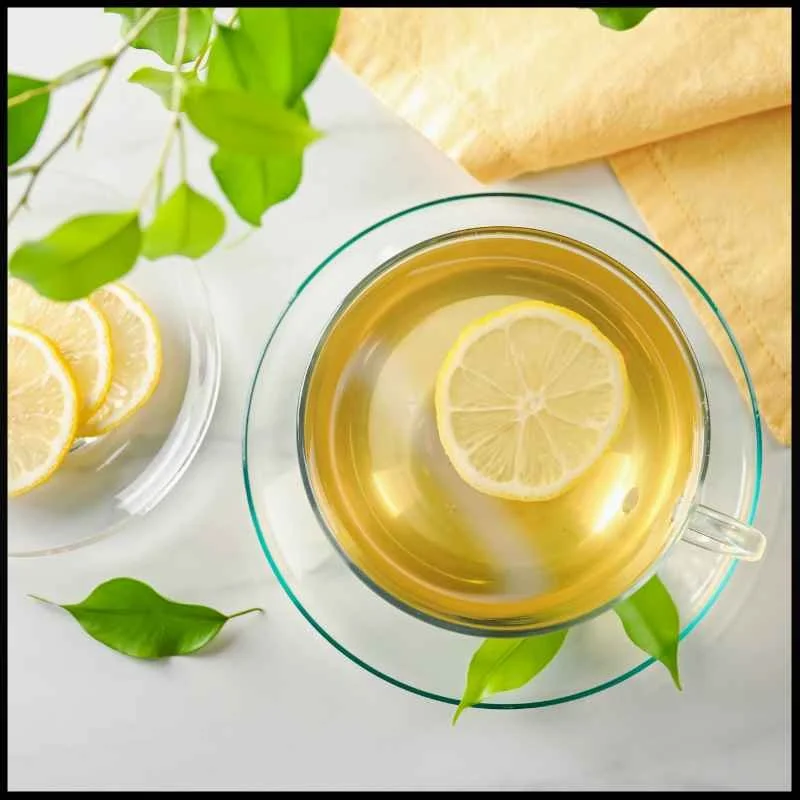
Green tea has a well-deserved reputation for its anticancer and anti-inflammatory properties. It derives its effects from the antioxidants in it, a group called catechins. And the most powerful of them is epigallocatechin gallate, better known as EGCG.
The research on green tea’s anticancer effects shows its effectiveness for helping to prevent cancers of the:
Liver
Prostate
Oesophagus
Stomach
Lung
Breast
Colon
Pancreas
Bladder
(1)
The catechin profile in green tea varies according to where it’s grown and the particular type of the leaves. The most powerful of green teas for antioxidants is matcha, which uses the whole leaf ground into powder.
Matcha also has the highest levels of caffeine, but it contains higher levels of L-theanine than regular green tea, which helps to offset the caffeine. But if you’re very sensitive to caffeine and find matcha gives you the jitters, try regular green tea instead. Regular green tea is slightly lower in caffeine than black tea.
Tips for brewing green tea
If you’ve tried green tea and found it bitter or unpleasant, chances are you need to change your brewing technique.
Try using one teaspoon of green tea per 200 ml. Using more will make it too strong, which can be unpleasant.
Don’t boil the water. It should be 70 to 80 degrees Celsius (about 160 degrees Fahrenheit). Or combine a quarter cold water with boiling water and then add the tea. If you pour boiling water over the leaves, you are likely to scald them, which can make it bitter.
Brew it for 1-3 minutes. Flavoured teas, like jasmine, can brew for up to 4 minutes.
Brewing matcha is different. Add a teaspoon of matcha powder to your cup, top it up with about ¼ cup of water at 70 to 80 degrees C (about 160 degrees F) and whisk it in an M motion to break up any lumps and make it frothy. Top it up with more hot water, stirring it in.
What happens when you mix green tea and lemon?
Both green tea and lemon are high in antioxidants. But magic happens when you mix the two together.
Research shows that catechins like EGCG can be unstable in the digestive system. The vitamin C and the acidity in the lemon help to stabilise them, which improves their absorption (2).
Lemon increases the production of stomach acid, which helps stomach emptying, improving digestion. This will enable you to absorb more nutrients.
The extra vitamin C in the lemon boosts your immune system. A healthy immune system helps to remove any cancer cells that form.
Safety information on using green tea and lemon
Green tea can interact with some medications, including chemo drugs and Atorvastatin(3). Always ask your pharmacist if your doctor prescribes medication and you’re drinking green tea regularly.
Lemon can weaken your tooth enamel if you drink tea with lemon regularly. If this happens, try drinking it through a straw to avoid it touching your teeth. Brushing your teeth afterwards can also help, as can chewing sugar-free gum, especially those that contain xylitol, which also kills the bacteria that cause cavities.
If you have a sensitive stomach, lemon tea could increase the risk of gastro-oesophageal reflux disease (GORD). If you get acid reflux after starting it, it might be better to avoid it.
Conclusion
Adding lemon to your green tea makes it even more effective as an antioxidant.
Of course, there are many other antioxidants that can help to keep you healthy. If you’d like to receive a monthly article about cancer prevention in your Inbox, you can subscribe to a newsletter by clicking here. As a thank you, I’ll send you a FREE collection of 30 delicious recipes for cancer patients.
If you’re also interested in Supporting Cancer Treatment, click here to receive monthly articles to help you navigate cancer treatment and its side effects using natural therapies alongside your medical treatment. You’ll receive Soothing Side Effects: A natural support guide for cancer patients as a thank you GIFT.
Prefer comprehensive advice to help you survive the cancer journey and get back to health, from prevention of it starting or recurring to support through treatment? Then you need a copy of my book, Naturally Supporting Cancer Treatment. It’s crammed with research-based ways to help you, in 385 pages of practical advice. To find out more, click the ‘Learn more’ button below.
References
Musial C, Kuban-Jankowska A, Gorska-Ponikowska M. Beneficial Properties of Green Tea Catechins. International Journal of Molecular Sciences. 2020;21(5):1744. doi:10.3390/ijms21051744
Green RJ, Murphy AS, Schulz B, Watkins BA, Ferruzzi MG. Common tea formulations modulate in vitro digestive recovery of Green Tea Catechins. Molecular Nutrition & Food Research. 2007;51(9):1152-1162. doi:10.1002/mnfr.200700086
Abdelkawy KS, Abdelaziz RM, Abdelmageed AM, Donia AM, El-Khodary NM. Effects of green tea extract on atorvastatin pharmacokinetics in healthy volunteers. European Journal of Drug Metabolism and Pharmacokinetics. 2020;45(3):351-360. doi:10.1007/s13318-020-00608-6