Does Green Tea have a Dark Side?
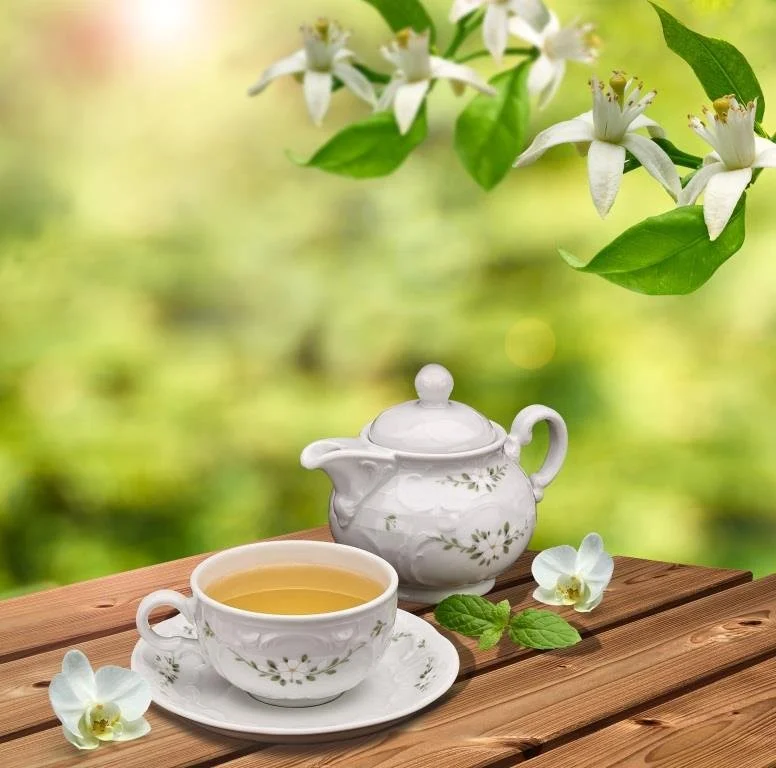
In my book, I talk about the benefits of drinking green tea for cancer prevention, and those studies are definitely valid. However, there is some evidence to show that it can have some negative effects.
Green tea’s interactions with drugs
The most worrying research shows that in large doses green tea can increase the effects of 5-fluorouracil (5-FU) significantly. 5-FU is a chemo drug that is used to treat a wide variety of cancers. So, it’s important to keep your intake to less than 6 cups per day, which is a safe dose. The cups used, though, are the small ones that you find in Chinese restaurants, which only hold about 100 mls of liquid. That means we’re talking less than 600 mls per day, which equates to about 2 mugs full (1).
There is also evidence that green tea can inhibit the effects of bortezomib, which is used to treat myeloma and glioblastoma (2). If you’re being treated with bortezomib, don’t drink green tea or take green tea supplements.
A single study shows that green tea inhibits a certain enzyme that processes vemurafenib (3), which is used to treat malignant melanoma. That means it may increase the level of the drug in your body, which could be dangerous.
Green tea interacts with nadolol, a drug that is used to control high blood pressure. If you drink green tea for over 2 weeks it reduces nadolol’s levels by 85% (2).
Are green tea supplements safer?
Don’t be tempted to use green tea extracts, which people often use to help lose weight. Researchers found that they significantly reduce the absorption of plant-derived iron and also reduce the levels of iron in the blood (4). Taking green tea extracts in large doses, that is over 800 mg of EGCG daily, over a long period can also reduce the absorption of folate supplements unless they’re taken with food (4). Those sorts of doses over 4 months or more will also raise the levels of your liver enzymes, which is very unwise if you’re having chemo treatment, because your liver is already struggling to detoxify the drugs (5).
Conclusion
Isn’t it interesting that something that we would all consider a standard type of tea can have such effects? It just goes to show the effects of food and drink can have on our bodies and how they react to other chemicals.
If you’d like to learn more about how our diets can affect the body, check out my book, Naturally Supporting Cancer Treatment. It’s available in hardback, paperback from Amazon, and all popular eBook formats, as well as your local library. You can find out more about it by clicking the button below.
References
Qiao J, Gu C, Shang W et al. Effect of green tea on pharmacokinetics of 5-fluorouracil in rats and pharmacodynamics in human cell lines in vitro. Food and Chemical Toxicology. 2011;49(6):1410-1415. doi:10.1016/j.fct.2011.03.033
Natural Medicines Database. Natural Medicines. Natural Medicines Database. https://naturalmedicines.therapeuticresearch.com/databases/food,-herbs-supplements/professional.aspx?productid=960#interactionsWithDrugs. Published 2021. Accessed December 3, 2021.
Sasu-Tenkoramaa J, Fudin J. Drug Interactions in Cancer Patients Requiring Concomitant Chemotherapy and Analgesics. Practical Pain Management. https://paindr.com/wp-content/uploads/2013/05/2013-05_Drug-Interactions-in-Cancer-Patients-Requiring-Concomitant-Chemotherapy-and-Analgesics.pdf. Published 2013. Accessed December 3, 2021.
Gurley B, Tonsing-Carter A, Thomas S, Fifer E. Clinically Relevant Herb-Micronutrient Interactions: When Botanicals, Minerals, and Vitamins Collide. Advances in Nutrition. 2018;9(4):524S-532S. doi:10.1093/advances/nmy029
Younes M, Aggett P, Aguilar F et al. Scientific opinion on the safety of green tea catechins. EFSA Journal. 2018;16(4). doi:10.2903/j.efsa.2018.5239